
How to Prevent Moving Day Damage: A Practical Guide

Table of Contents
Preparation: Document, Measure, and Plan Before Moving Day
How to Pack Fragile Items for Moving and Protect Furniture
How to Protect Floors When Moving and Secure Your Home's Interior
Moving Day Handling: Lifting, Carrying, and When to Call in Help
Delivery Inspection: Check, Document, and Report
Frequently Asked Questions
Last Updated: October 21, 2026
Preparation: Document, Measure, and Plan Before Moving Day
Preparation before the truck arrives can help reduce moving-day damage. Preventing moving day damage starts with photographing existing scratches and worn finishes, flagging fragile and high-value pieces, and measuring each large item against every doorway, hallway, and stairwell.
Map your access routes, noting tight corners and low railings, and share it with your mover before moving day. At Sergeant's Tactical Moving Company, a veteran-owned business based in Marlton, NJ, we ask clients for this walkthrough early because it turns guesswork into a plan.
Pro Tip Photograph the back and underside of furniture too, not just the front.
How to Pack Fragile Items for Moving and Protect Furniture
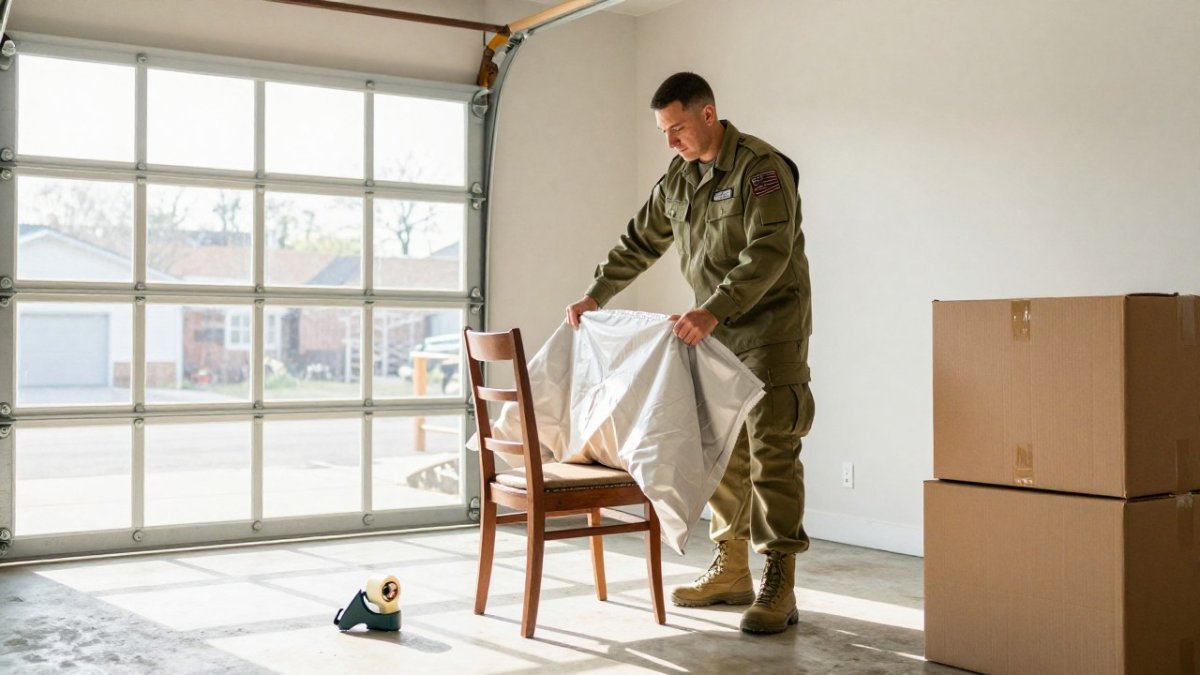
Proper packing helps protect belongings. A fragile label cannot replace adequate cushioning. Use sturdy boxes rated for the weight, cushion with bubble wrap, packing paper, or moving blankets, fill empty spaces so items cannot shift, and keep each box light enough for one person to lift.
Wrap furniture corners and edges. Bag and label disassembly hardware, and keep the bags together in a dedicated container. Never tape finished wood or upholstery, and never wrap damp items.
Watch Out Skipping the hardware bag is a classic moving day headache: loose screws get lost, and a bed frame that cannot be reassembled outlasts the move.
How to Protect Floors When Moving and Secure Your Home's Interior

Use surface-appropriate, nonslip floor protection. Secure it according to the manufacturer’s instructions and keep it free of grit and moisture. Protect doorframes, corners, and stair railings with suitable pads.
Clear walkways, turn on the lights, and keep children and pets away from active moving paths. On rainy days, wipe wet shoes and use absorbent mats at the door, but avoid slick coverings that create trip hazards or trap moisture against finishes.
Moving Day Handling: Lifting, Carrying, and When to Call in Help
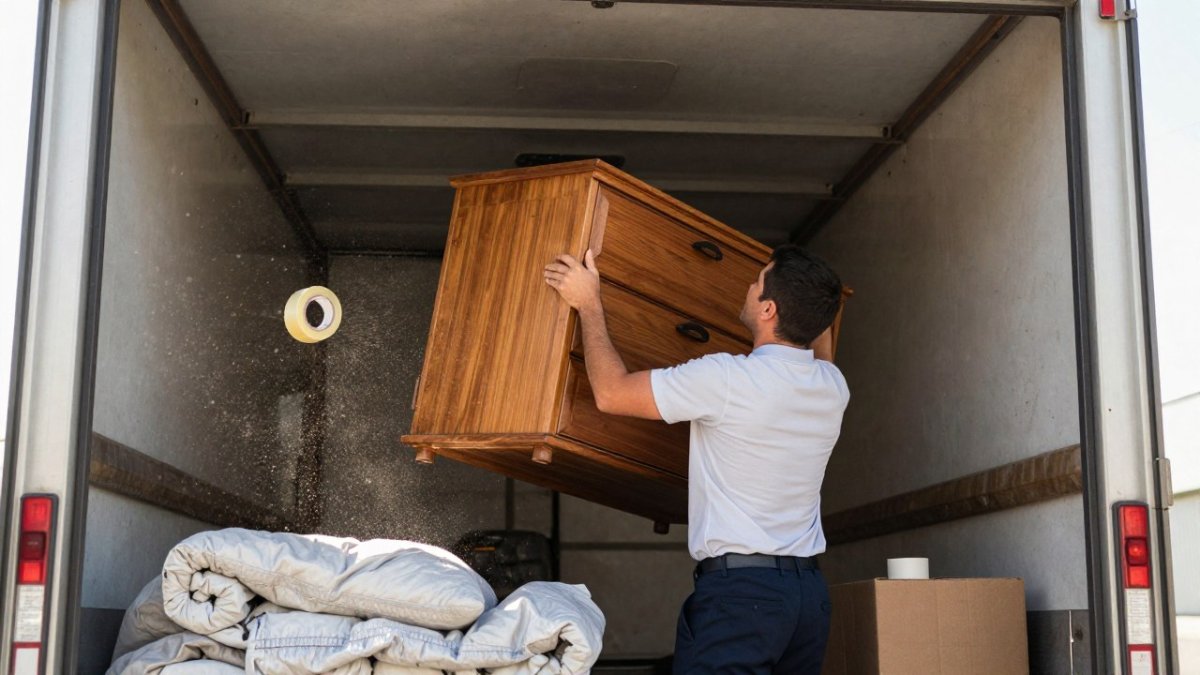
Knowing when to use trained help is a safety decision, not a sign of weakness. Heavy, awkward, or delicate items belong with people who have the right equipment and lifting technique.
Avoid pulling furniture directly across floors. Use suitable sliders or moving equipment appropriate for the surface and load. Never overload equipment, and use qualified specialists for specialty pieces.
Key Takeaway The best damage prevention on moving day is a clear division of labor: Coordinate responsibilities with the crew leader and stay clear of active carrying routes.
Delivery Inspection: Check, Document, and Report
At delivery, inspect accessible items and the property as unloading progresses. Photograph concerns and record visible damage accurately on the relevant paperwork before signing delivery acknowledgments. Keep copies of your documents. If damage becomes apparent while unpacking, document it and promptly contact the mover for claim instructions. Retain relevant packing materials until the mover advises whether they are needed.
Frequently Asked Questions
How can I prevent damage to my home when moving?
Start by documenting existing damage with photos and measuring furniture and doorways to plan access routes. Protect floors with surface-appropriate coverings, secure runners, and pad doorframes and railings. Clear walkways, improve lighting, and keep children and pets away from active paths. Discuss special handling needs with your mover before moving day, and at delivery inspect items and property, photograph concerns, and record any damage accurately on the relevant paperwork.
What should I do if something is damaged during a move?
Check items and the property at delivery, photograph any concerns, and record damage accurately on the relevant paperwork. Retain packing materials when appropriate and contact the mover promptly. Keep in mind that damage prevention is different from valuation or insurance, so review your mover's documentation to understand what applies. No move can be promised as damage-free, which is why prompt documentation and clear communication matter.
Should I take photos of my belongings before moving?
Yes. Photograph existing damage and high-value or fragile items before moving day. These photos create a clear record and help you identify fragile or high-value items that need special handling. Share relevant details with your mover in advance, and at delivery use the photos to compare condition, document any concerns, and record damage accurately on the relevant paperwork if needed.
Planning ahead, packing carefully, and communicating special handling needs can help protect your belongings and your home. Sergeant’s Tactical Moving Company LLC is a veteran-owned moving business based in Marlton, NJ. Request an estimate at www.sergeantsmoving.com or call 856-396-9173 to discuss your move. Because chaos isn’t an option.

Comments